Navigating New Construction: A Guide for Buyers
Buying a new construction home can be an exciting yet daunting experience. With so many options available, from selecting the right builder to understanding the intricacies of the buying process, it’s essential to be well-informed. This guide will walk you through the key steps and considerations for navigating the new construction market, ensuring you make the best decisions for your future home.
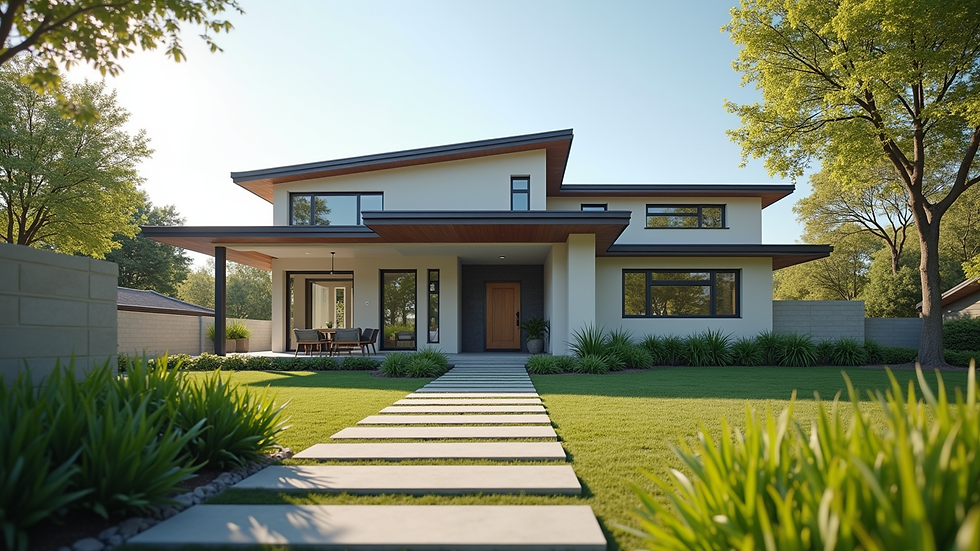
Understanding New Construction
New construction refers to homes that are built from the ground up, as opposed to existing homes that have been previously lived in. This category includes single-family homes, townhouses, and condominiums. Here are some key aspects to consider:
Types of New Construction
Spec Homes: These are homes built by developers without a specific buyer in mind. They are often completed and ready for immediate occupancy.
Custom Homes: Buyers work closely with builders to design and construct a home tailored to their specifications.
Semi-Custom Homes: These homes offer a balance between custom and spec homes, allowing buyers to choose from a set of floor plans and finishes.
Benefits of Buying New Construction
Modern Features: New homes often come with the latest technology and energy-efficient appliances.
Customization: Many builders allow buyers to select finishes, layouts, and upgrades.
Less Maintenance: New homes typically require less upkeep in the first few years compared to older homes.
Researching Builders
Choosing the right builder is crucial to your new construction experience. Here are steps to help you find a reputable builder:
Check Credentials
Licensing and Insurance: Ensure the builder is licensed and carries liability insurance.
Reputation: Look for reviews and testimonials from previous buyers. Websites like the Better Business Bureau can provide insights into a builder's reputation.
Visit Completed Projects
If possible, visit homes built by the builder. This will give you a sense of their craftsmanship and attention to detail. Pay attention to:
Quality of Materials: Look for signs of quality in construction materials and finishes.
Design Consistency: Check if the homes have a consistent design and layout.
Ask Questions
When meeting with builders, prepare a list of questions to gauge their experience and reliability. Consider asking:
How long have you been in business?
Can you provide references from past clients?
What warranties do you offer on your homes?
Understanding the Buying Process
The process of buying a new construction home differs from purchasing an existing home. Here’s a breakdown of the steps involved:
Pre-Approval for Financing
Before you start shopping for a new home, get pre-approved for a mortgage. This will give you a clear understanding of your budget and strengthen your position when negotiating with builders.
Selecting a Home
Once you have your financing in place, start exploring different builders and their available homes. Consider factors such as:
Location: Proximity to work, schools, and amenities.
Community Features: Parks, pools, and recreational facilities can enhance your living experience.
Making an Offer
When you find a home you love, you’ll need to make an offer. This may involve:
Negotiating Price: Builders may be willing to negotiate on price or offer incentives like upgrades or closing cost assistance.
Contingencies: Include contingencies in your offer, such as financing and inspection clauses.
Home Inspection
Even though it’s a new home, a professional inspection is still recommended. This can help identify any potential issues before closing.
Closing on Your New Home
The closing process for new construction can be different from existing homes. Here’s what to expect:
Final Walkthrough
Before closing, conduct a final walkthrough to ensure everything is as promised. Check for:
Quality of Workmanship: Look for any defects or unfinished work.
Functionality: Test appliances, plumbing, and electrical systems.
Closing Costs
Be prepared for closing costs, which can include:
Loan Origination Fees: Charged by the lender for processing your loan.
Title Insurance: Protects against any issues with the property title.
Moving In
Once the paperwork is complete, it’s time to move into your new home! Consider planning your move strategically to make the transition smoother.
Post-Move Considerations
After moving into your new construction home, there are a few things to keep in mind:
Warranty Information
Most builders offer warranties on their homes. Familiarize yourself with what is covered and for how long. Common warranties include:
Structural Warranty: Covers major structural defects for a specified period.
Systems Warranty: Covers appliances and systems like HVAC for a limited time.
Maintenance Tips
To keep your new home in top shape, follow these maintenance tips:
Regular Inspections: Schedule annual inspections for major systems like HVAC and plumbing.
Seasonal Maintenance: Prepare your home for seasonal changes, such as winterizing pipes or cleaning gutters.
Conclusion
Navigating the new construction market can be a rewarding experience when approached with the right knowledge and preparation. By understanding the types of new construction, researching builders, and following the buying process, you can find a home that meets your needs and preferences. Remember to stay informed and proactive throughout the journey, ensuring a smooth transition into your new space.
As you embark on this exciting adventure, keep this guide handy to help you make informed decisions every step of the way. Happy house hunting!


Comments